
What This Article Covers:
This article explores why two employees can hear the exact same change announcement and walk away with completely different reactions. You will learn how to use the Everything DiSC® framework to recognize how D, i, S, and C behavioral styles process organizational transitions differently—so you can flex your delivery to meet each person’s distinct needs for direction, possibility, stability, or logic. The post also reveals how our default communication habits inadvertently create resistance, why fair leadership does not mean giving everyone the same delivery, and how moving beyond awareness to real-world application equips managers to build trust, reduce friction, and navigate critical workplace conversations smoothly.

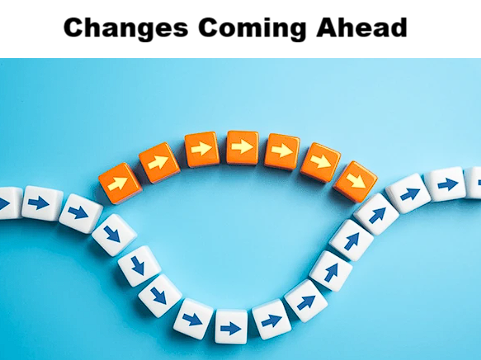
As a manager you can share the same message to your direct reports but that doesn’t mean they will process it the same. Two employees can hear the exact same announcement and walk away with completely different reactions.
For instance, one person may immediately ask, “What’s the goal?”
In contrast, another team member may want to talk it through and explore new possibilities. Meanwhile, someone else may quietly wonder how this shift will affect their day-to-day stability.
Additionally, another colleague might wait for the full details, timeline, and rationale before they are ready to move.
An important principle for leaders to remember during organizational change is this: people are not simply reacting to the change itself. Instead, they are also reacting to how that change is being communicated. Ultimately, adjusting your delivery makes all the difference.

We’re Human: We Communicate the Way That Makes Sense to Us
Most of us naturally communicate in the style that comes most intuitively to us:
- When you prefer concise communication, you naturally move quickly to the point.
- On the other hand, if you are highly relational, you likely want to talk things through and collaborate.
- Meanwhile, those who value stability tend to focus first on providing reassurance.
- Finally, analytical communicators naturally lead with detailed facts and logical rationale.
None of those approaches are wrong. However, the challenge happens when we assume everyone else needs the exact same thing we do. Indeed, during times of transition and organizational change, that assumption can create unnecessary frustration, confusion, and resistance.
Consequently, a stronger and more empathetic question a manager can ask is:
“What does this person need from me right now in order to understand the change, trust the process, and move forward?”
How People Process Change Through Social Styles (The Everything DiSC Model)
When examining behavioral and social styles—such as the Everything DiSC® model—different personalities process transitions through distinct lenses. Therefore, understanding these needs helps leaders tailor their message effectively.
1. D-Style Employees: “What is the goal?”
D-style professionals are focused on results, direction, speed, and forward movement. During change, they want to know:
- What are we trying to accomplish?
- What results are expected?
- What decisions need to be made?
- What happens next?
How to communicate: If communication feels too long, vague, or overly focused on process, they may become impatient. For leaders, brevity matters here. Get to the point. Clarify the desired outcome, explain priorities, and define what success looks like. When appropriate, give them room to take ownership of how they move the work forward.
2. i-Style Employees: “What could this mean?”
i-style professionals look for conversation, involvement, and a sense of possibility. They want to understand:
- Who will be involved?
- How will people work together?
- What opportunities could come from this change?
- Where can they contribute?
How to communicate: If communication is cold, overly clinical, or strictly transactional, they may feel disconnected or demotivated. Give them space to talk through ideas, highlight the collaborative possibilities, and keep energy and morale high around the transition.

3. S-Style Employees: “How will this affect our team?”
S-style team members value stability, predictability, cooperation, and group harmony. During change, they are usually processing:
- How will this impact my day-to-day routine?
- What support will be provided?
- How will our team dynamics or security be affected?
- Are we moving too fast?
How to communicate: Rapid or abrupt change without reassurance can create deep anxiety for S-styles. Leaders should lead with empathy, offer clear step-by-step guidance, emphasize ongoing support, and give them time to adjust rather than forcing immediate buy-in.
4. C-Style Employees: “What is the rationale?”
C-style professionals value accuracy, clarity, logic, and thoroughness. Before they buy into a new direction, they want to know:
- Why are we making this change now?
- What is the background data and evidence supporting this decision?
- What are the risks and potential flaws in the plan?
- What is the exact process and timeline?
How to communicate: High-level inspirational speeches without substance won’t work here. Leaders need to provide facts, clear documentation, and logical reasoning. Be prepared to answer detailed questions transparently.
Clarity Builds Trust: Same Message, Different Needs
This is where Everything DiSC becomes practical. The goal is not to create four entirely different messages. The goal is to flex the delivery.
The core message can stay the same. The change can stay the same. The expectation can stay the same. But the way you explain it may need to shift based on the person in front of you
That is leadership adaptability.
Communication Flexibility is an Emotional Intelligence Skill
This is also why DiSC and emotional intelligence work so well together. Self-awareness is useful. Knowing your own tendencies is important. But the real value comes when you move beyond:
“This is how I communicate.”
and toward:
“This is what this person may need from me.”
That shift requires awareness, empathy, and intentionality. It also requires leaders to resist the urge to treat fairness as sameness.
Fair communication does not mean giving every person the exact same delivery. It means making sure everyone receives what they need to understand the message and act on it.
A Practical Exercise for Managers
The next time you are preparing to communicate a change, choose one person on your team and ask yourself:
- What might this person be most concerned about?
- What questions are they likely to have?
- What information will help them feel more confident?
- Where might I need to flex my natural communication style?
That simple pause can make the conversation much more effective. It can also help reduce unnecessary resistance before it starts.
Moving Beyond Awareness: Application Drives Real Behavior Change
Are your managers given opportunities to apply these concepts to the conversations they are already having?
Real-world application might include:
- Preparing for a specific change announcement.
- Practicing how to communicate with different styles.
- Role-playing difficult employee reactions.
- Reflecting on where they tend to overuse their own preferred communication approach.
- Identifying what they need to do differently with specific team members.
Awareness alone is not enough. Application is what creates behavior change.
The Leadership Opportunity
Change will never feel exactly the same to everyone, and leaders cannot remove every concern. However, they can become much more intentional about how they communicate.
Instead of assuming that one message, delivered one way, will work for everyone, they can learn to listen more closely. Furthermore, they can flex their approach and meet employees where they are.
As a result, that is when change communication starts to feel less like broadcasting and more like leadership.
At In Our Shoes, we help organizations build practical communication and leadership skills through Everything DiSC, emotional intelligence, manager development, and experiential learning. Therefore, if your organization is navigating change, this is a useful question to bring to your managers:
Are they communicating in the way they prefer to deliver it — or in the way their employees need to hear it?
Reach out to learn more about Everything DiSC assessments and learning.
To learn more about our manager development programs, reach out for a course catalog.
Leadership Development Training |Executive Coaching | Everything DiSC | AI Training

Frequently Asked Questions
Why is Everything DiSC effective during organizational change?
Everything DiSC provides a practical framework for managers to understand individual communication preferences—specifically Dominance, Influence, Steadiness, and Conscientiousness. For instance, during organizational change, it enables leaders to tailor their messaging so that employees receive the specific clarity, reassurance, or rationale they need to adapt and move forward seamlessly.
Does tailoring change communication mean giving different employees different facts?
No. The core message, business goals, and expectations remain consistent for everyone. Tailoring communication simply means flexing the delivery style—focusing on outcomes for D-styles, possibilities for i-styles, team impact and stability for S-styles, and detailed rationale for C-styles.
About Us
In Our Shoes® partners with organizations to design and deliver leadership development, manager coaching, and AI workforce transformation programs. Our team has delivered training across industries for executives, directors, managers, and high-potential talent, and is certified in Everything DiSC® facilitation, change management, and AI-enabled learning design.
